
Brand new hot tubs in the UK range between £2,500 to £10,000, and mainly depend on seating capacity, features, number of jets, and installation requirements. Monthly running costs range from £30 to £80.
Are you planning to buy a hot tub but hesitant because of the costs involved? That’s understandable. You don’t want to have to give up the tub after a while because you thought that the costs wouldn’t be too much.
As someone who owns and sells hot tubs, I’m in a good position to answer what you want to know.
Below, we break down everything you need to budget for including those hidden costs most buyers overlook.
Purchase Costs of Hot Tubs Summary
| Type of Hot Tub | Average Cost (UK) |
| Entry-level hard shell | £2,500 – £5,000 |
| Mid-range | £5,000 – £9,000 |
| Luxury/Swim Spas | £10,000 – £15,000+ |
Entry Level Hot Tubs
Entry level hot tubs like our Louisiana Premium and Triton SE Premium Hot tubs are both priced below 3000. They have fewer jets compared to mid range or luxury models but they’re perfectly fine. They usually seat 2 – 4 people.
Mid-range Hot Tubs
Mid range hot tubs are good for 4 to 7 people. They also have more jets, and may contain upgraded features that you won’t find in entry level tubs. Our Thermals Ruby Pro (priced at 6695) is a good example of a mid-range hot tub.
Luxury and Swim Hot Tubs
Swim spas are hot tubs that are bigger so there’s more space for you to move around in. Because of the increased size, they tend to be on the higher end of the price list. Some hot tubs that are “regular-size” would fall into this category because of their features.
What Affects the Price of a Hot Tub?
Size (3 Person vs 5+ Person)
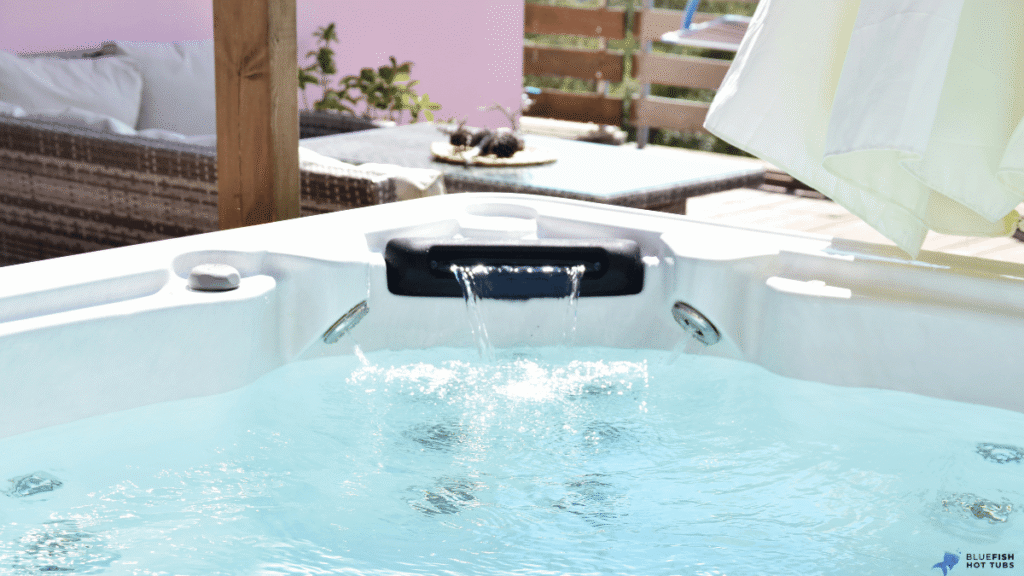
Size is one of the biggest pricing variables. A compact 3-person hot tub is typically cheaper because it uses less acrylic, fewer jets, a smaller pump system, and requires less structural support. These models are ideal for couples or smaller gardens and usually sit at the lower end of the market.
Larger 5+ person models increase the cost significantly. You’re paying for additional seating, stronger frame construction, more powerful pumps, and a larger heater to maintain water temperature efficiently. Bigger tubs also require more insulation to keep running costs manageable.
Power Supply (13 Amp vs 32 Amp)
Another thing that affects the price of a tub is the power supply. It has a direct impact on both price and performance.
A 13 amp hot tub plugs into a standard UK outdoor socket, making it simpler and cheaper to install. These models usually have smaller heaters and limited jet functionality when the heater is running.
A 32 amp hot tub requires professional electrical installation but allows the heater and jets to operate simultaneously at full power. This means stronger massage performance, faster heating, and better overall efficiency.
While 32 amp models cost more initially, they deliver a noticeably more powerful spa experience.
Jet Count & Pump Power
Jet count alone doesn’t determine quality but it does influence price. More jets typically mean more plumbing, stronger pumps, and higher manufacturing costs.
Some of the affordable tubs may only have 15–30 jets powered by a single pump. Premium models often feature 60–100+ jets, multiple pumps, and dedicated circulation systems.
However, pump power matters more than sheer numbers. A well-designed 40-jet system with strong pumps can outperform a poorly engineered 80-jet tub.
Higher jet count and stronger pump configurations increase both purchase price and long-term performance quality.
Insulation & Energy Efficiency
Insulation is where cheaper tubs often cut corners and where long-term costs can quietly add up.
Premium hot tubs use full foam insulation, insulated covers, and thermal locking cabinet designs to retain heat efficiently. This reduces energy usage, especially during colder winters.
Budget imports may use minimal insulation, which means higher electricity bills and longer heating times. My take is that you should always ask about the tub’s insulation, it’s important to take that into account.
Brand & Build Quality
Not all hot tubs are built to the same standard. Reputable brands invest in better acrylic shells, stronger frames, reliable control systems, and higher-grade components.
Cheaper models may look similar on the surface but often use thinner acrylic, weaker support structures, and lower-spec pumps or heaters.
Established suppliers in the UK also provide warranties, parts availability, and aftercare support which honestly adds to cost but this reduces risk for the customer.
Build quality directly affects longevity, reliability, and resale value.
Extras (Bluetooth, Lighting, Waterfalls, etc.)
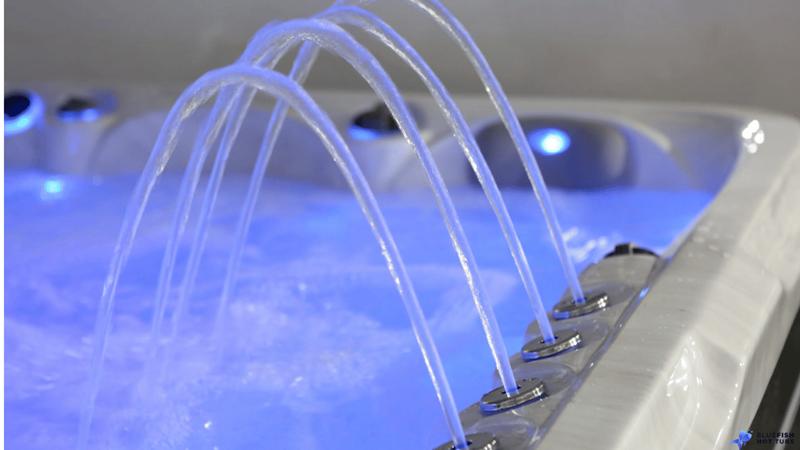
Modern hot tubs often include lifestyle upgrades that increase the overall price.
Popular extras include Bluetooth audio systems, LED perimeter lighting, illuminated waterfalls, WiFi app control, and premium headrests.
While these features don’t improve hydrotherapy performance, they enhance the overall experience and garden aesthetics.
If you’re buying for relaxation and entertainment, extras can justify the additional spend but they aren’t essential for core functionality 🙂
Installation Costs in the UK
Installation is where many buyers underestimate the true cost. Budgeting properly avoids surprises.
Base Preparation
A hot tub must sit on a solid, level surface capable of supporting significant weight when filled.
Concrete base
A reinforced concrete slab is the most reliable and durable option for long-term stability.
Ground reinforcement
If installed on soil or lawn, excavation and hardcore reinforcement may be required to prevent sinking.
Decking considerations
Existing decking must be structurally assessed to ensure it can handle the weight of the tub when in full use.
Estimated range: A few hundred pounds depending on groundwork complexity. That said, you might already have space in your garden that’s just suitable (zero cost) for a hot tub. You can always ask the team/person that will install your tub if the area would be okay to use if you’re unsure.
Electrical Installation
Electrical work depends entirely on your tub’s power requirement.
13 amp = standard socket
Can plug into an outdoor-rated RCD-protected socket with minimal additional work.
32 amp = electrician required
Requires a dedicated supply, armoured cable, and certification by a qualified electrician.
Typical cost: £150 – £1,200 depending on distance from the consumer unit. Bluefish hot tubs will install your tub for free for every purchase you made to us.
Delivery & Crane Hire (If Required)
Most suppliers include standard ground-floor delivery in the purchase price.
However, restricted access, narrow gates, or raised gardens may require crane hire.
Typical range: £0 – £500+, though complex lifts can exceed this.

Monthly Running Costs (Electricity + Maintenance)
Understanding ongoing costs is essential for budgeting realistically.
Most modern insulated hot tubs in the UK cost between £30 – £80 per month to run.
Winter usage typically pushes costs higher due to lower ambient temperatures and increased heating demand.
High-quality insulation significantly reduces energy consumption, particularly in colder months.
Water & Chemicals
You should budget approximately £10 – £25 per month for water treatments and balancing chemicals, depending on usage frequency and bather load.
Servicing & Replacement Parts
An annual professional service typically costs £150–£300, though many owners handle routine maintenance themselves.
Filters usually require replacement every 12 months, costing £30 – £60 each.
Servicing & Replacement Parts
An annual professional service typically costs £150–£300, though many owners handle routine maintenance themselves.
Filters usually require replacement every 12 months, costing £30 – £60 each.
Summary Table: UK Hot Tub Cost Overview
Cost Category | Typical UK Range |
Purchase Price | £3,000 – £12,000+ |
Base Preparation | £200 – £1,500+ |
Electrical Installation | £400 – £1,200 |
Delivery/Crane | £0 – £500+ |
Monthly Electricity | £30 – £80 |
Water & Chemicals | £10 – £25 (per month) |
Annual Servicing | £150 – £300 |
I think this is as good a time as any to say what Bluefish Hot Tubs has to offer. When you buy a tub from us, you get free delivery and installation, a free hot tub starter kit that’s worth £50 (so you can use your rub right away).
Hidden Costs Most Buyers Forget
Remember that I spoke about hidden costs? Well, here it is. Here’s what retailers don’t always tell you.
Cover replacement
You should budget approximately £10 – £25 per month for water treatments and balancing chemicals, depending on usage frequency and bather load.
Steps & accessories
An annual professional service typically costs £150–£300, though many owners handle routine maintenance themselves.
Filters usually require replacement every 12 months, costing £30 – £60 each.
Repairs outside warranty
An annual professional service typically costs £150–£300, though many owners handle routine maintenance themselves.
Filters usually require replacement every 12 months, costing £30 – £60 each.
Water changes
Most tubs need draining and refilling every 1 to 3 months, which increases water and heating costs slightly.
Factor these into your budget early to avoid surprises later.
Is a Hot Tub Worth the Cost in the UK?
For many households, yes. You want to make sure that you a dedicated space for your tub, you want to choose the right spa, and you’ve got to use it rather than let it collect dust.
Lifestyle value
A hot tub creates a space to unwind, socialise and spend more time at home.
Year-round usability in UK climate
Modern insulated tubs are designed to handle British winters, making them usable 12 months a year.
Health & stress benefits
Warm water hydrotherapy can ease muscle tension, improve sleep and reduce daily stress.
Garden upgrade appeal
A well-positioned spa can transform your garden into a premium relaxation space.
Get Great Deals From Bluefish
In the UK, hot tubs typically cost £3,000–£12,000+ to buy, with monthly running costs averaging £40–£100 including electricity, chemicals, and maintenance.
You can save money by buying a quality used tub especially if you’ve never owned one before and want to test the waters without committing to a brand-new model.
The key is choosing based on long-term value, not just the lowest upfront price. A well-insulated, properly installed spa will cost less to run and last longer.